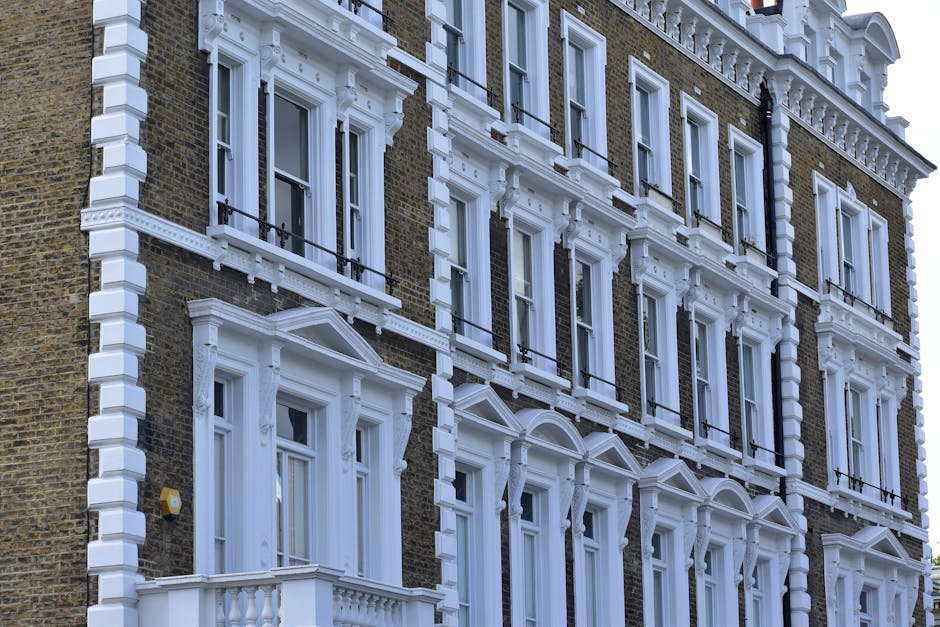
New Kings Road removals tips for period houses in Fulham
Moving out of a period house near New Kings Road is never quite the same as moving from a newer build. The staircases can be narrow, the ceilings higher than you expect, the banister a bit precious, and that one awkward hallway corner seems designed to catch a sofa on purpose. If you are looking for New Kings Road removals tips for period houses in Fulham, you are probably trying to do three things at once: protect the house, protect your belongings, and keep the day calm enough to stay sensible.
That is exactly what this guide is for. It covers the practical realities of moving in Fulham's older homes, from access and packing to parking, lifting, fragile finishes, and the small decisions that make a big difference. You will also find a clear step-by-step process, a useful checklist, common mistakes to avoid, and a realistic comparison of moving approaches. No fluff. Just the kind of advice that helps on an actual moving day, when the kettle is in a box and the front door is standing open.
Why New Kings Road removals tips for period houses in Fulham Matters
Period properties in Fulham often look graceful from the outside and slightly chaotic in practice. That is not a criticism, just reality. Many homes along and around New Kings Road were built with features that are beautiful but less forgiving on moving day: tight stair turns, older joinery, delicate plaster, sash windows, original flooring, and rooms that were designed long before modular wardrobes and oversized mattresses became normal.
When a move is planned around those details, the risk drops immediately. A poorly measured wardrobe can chip a wall. A rushed carry can scratch a bannister. A heavy item dragged across old timber can leave a mark that you will notice every single time you walk past it, which, to be fair, is not the memory you want attached to the day.
The local setting matters too. New Kings Road can be busy, parking can be tight, and access is not always generous. Even if you are only moving a short distance within Fulham, the difference between a smooth day and a stressful one is often in the prep: knowing where the vehicle can stop, how long loading may take, and which items need special handling.
These tips matter because period-house removals are less about brute force and more about control. Control of timing, movement, packaging, access, and expectations. That is the whole game, really.
How New Kings Road removals tips for period houses in Fulham Works
The process is best thought of in stages rather than one big "moving day" event. A period house move works well when the packing, dismantling, access planning, and vehicle choice are matched to the building, not the other way around.
First, assess the property. Measure the widest and narrowest points of stairwells, landings, doors, and any awkward bends. Then check the route from the front door to the vehicle. Is there a flight of steps? A narrow pavement? A low wall or a tree that narrows the path? These small details decide whether a large item is moved in one piece or needs dismantling first.
Next comes packing. Fragile items should be wrapped with enough cushioning to survive a knock, but not so much that boxes become over-heavy. That balance matters more in older houses because items often need to be carried farther through the property before they even reach the van. Overpacked boxes are a classic moving-day headache. They feel manageable in the hallway, then suddenly feel heroic halfway down the stairs.
Then the transport plan. A smaller vehicle may be easier if access is tight, while a larger truck may suit a full household move if there is sufficient loading space. Services such as man and van support, home moves, or removal truck hire can suit different volumes and property layouts, depending on how much needs shifting and how complicated the access is.
Finally, the move itself should be staged. Protect floors first. Move large items in a sensible order. Keep essentials separate. And do not leave the final box labelled "misc" unless you enjoy a scavenger hunt at 9pm, which nobody does.
Key Benefits and Practical Advantages
Good removals planning for a period house in Fulham gives you more than a tidy van and a lighter lift. It changes the whole experience.
- Less damage risk: careful measurements and proper packing reduce chips, scuffs, and broken items.
- Faster loading and unloading: when the route is planned properly, movers spend less time improvising at the doorway.
- Better protection for original features: bannisters, flooring, architraves, and plasterwork are better preserved.
- Less stress for residents: a controlled move feels calmer, especially if children, pets, or work commitments are involved.
- More efficient use of labour: the right service for the job avoids paying for more vehicle or manpower than you need.
- Fewer delays on the day: parking, access, and packing issues are less likely to derail the schedule.
One overlooked benefit is decision clarity. When you know whether a couch needs dismantling, whether the piano requires specialist handling, or whether the stairs are simply too narrow for a full-size wardrobe, you make cleaner choices. That sounds small. It is not small on moving day.
Who This Is For and When It Makes Sense
This guide is for anyone moving from, into, or within a period property near New Kings Road in Fulham. That includes leaseholders, families, downsizers, landlords, first-time buyers with older homes, and people relocating after a renovation. It is also useful if you are not moving far but still need to get bulky furniture through older internal layouts.
It makes particular sense if your property has any of the following:
- narrow stairs or landings
- original wooden floors or decorative finishes
- high-value furniture or antiques
- heavy mirrors, framed art, or glass cabinets
- limited street parking or restricted loading space
- rooms with awkward shapes, alcoves, or tight door frames
If your move is simple and ground-floor, the advice still helps. But if there is any doubt about access, the safer bet is to plan as though the property will need delicate handling, because older homes often reward caution.
Families often find this most useful. So do older residents who want the move to be as physically light as possible. And honestly, anyone who has ever tried to carry a sofa round a corner in a Victorian terrace will understand the appeal immediately.
Step-by-Step Guidance
1. Walk the property before you pack
Do a proper walkthrough with a notebook or phone photos. Measure key items and key pinch points. Check where the sofa turns, where boxes will stack, and whether the front path is clear. In period houses, the least obvious obstacle is often the one that causes the delay.
2. Sort belongings by fragility and access difficulty
Pack the items that are awkward to carry early, not last. A large framed mirror, a tall lamp, or a piece of vintage furniture should not be left until you are already tired. Label boxes by room and by handling need, such as "fragile," "this side up," or "needs dismantling." That is simple, but it works.
3. Protect the house before anything moves
Use floor protection, corner guards, blankets, or padding around vulnerable edges. It is a lot easier to prevent marks than to explain them later. If you have polished floors or aged timber, extra care around heels, dolly wheels, and stacked boxes matters quite a bit.
4. Decide what must be dismantled
Many period-house moves run smoother once beds, tables, and wardrobes are broken down. Not everything needs dismantling, but forcing oversized furniture through a narrow stairwell is a gamble. Ask yourself: would taking it apart now save an hour and two people later?
5. Stage the load in the right order
Put the heaviest and most stable items in first, then stack lighter boxes around them. Keep fragile pieces separate. This helps protect delicate items and makes unloading easier at the new property. If you are moving with house removalists, make sure they know which items need first-off access and which items can wait.
6. Keep an essentials bag nearby
Pack a small bag with keys, charging cables, toiletries, medication, snacks, a change of clothes, and documents. You will thank yourself later when the last box is not where you thought it was. The boring bag is the brilliant bag.
7. Do a final clear-out
Before the van leaves, check cupboards, loft access, under-stairs storage, and the back of wardrobes. Older homes are famous for hiding one last item in the least likely place. A torch helps. So does a second pair of eyes.
Expert Tips for Better Results
Here is where a little practical judgement goes a long way.
- Use smaller boxes for books: books are deceptively heavy. Small boxes save your back and reduce the risk of the base giving way.
- Wrap corners first: table edges, mirrors, and picture frames suffer at the corners before anywhere else.
- Take photos before dismantling: it saves time when rebuilding beds, shelving, or hardware-heavy furniture.
- Keep screws and fittings in labelled bags: tape them to the relevant item or store them in a clearly named pouch.
- Reserve a clear path from room to door: boxes, shoes, rugs, and pets should not be part of the route.
- Think about timing: early morning often makes access easier and keeps the day from running into rushed evening traffic.
For larger homes or more complicated moves, a moving truck may be the right option, especially if you have substantial furniture or multiple floors. For lighter loads, a smaller vehicle can be more nimble and a lot less intimidating on a narrow street.
One more thing: speak up about anything odd. If a wardrobe is heavier than it looks, say so. If a drawer unit wobbles, say so. No one benefits from heroic guessing. Well, except maybe the person writing the horror story later.
Common Mistakes to Avoid
Most moving problems in period houses are predictable. The good news is that they are avoidable.
- Not measuring furniture properly: a quick glance is not enough for door frames and stair bends.
- Overfilling boxes: especially with books, crockery, or tools. Heavy boxes are hard to carry and easy to drop.
- Forgetting to protect floors and walls: original features do not forgive rough handling.
- Leaving parking to chance: if access is tight, plan vehicle positioning in advance.
- Mixing essential items with everything else: the first night box should be easy to find, not buried under cushions.
- Ignoring awkward items: mirrors, pianos, glass tables, and antique cabinets need specific attention, not generic packing.
- Trying to do too much in one load: sometimes a second trip is safer than cramming everything in and hoping for the best.
Another common issue is underestimating how tired people get by mid-afternoon. That is when mistakes creep in. Doors get banged. Tape gets rushed. Tea gets forgotten. It happens.
Tools, Resources and Recommendations
You do not need a warehouse of equipment to manage a period-house move well, but a few sensible tools make the day much easier.
- Measuring tape: essential for furniture, doors, stairs, and access points.
- Labels and marker pens: clear labels beat vague memory every time.
- Protective covers and blankets: useful for sofas, wood furniture, and fragile finishes.
- Strong tape and scissors: simple, but absolutely necessary.
- Dolly or trolley: helpful for heavier boxes if the route allows it.
- Basic tool kit: good for dismantling beds and furniture without a last-minute panic.
If you need help with the packing side, a service such as packing and unpacking services can take a lot of pressure off the day, especially when you are balancing work, childcare, or a very full calendar. If there are a few bulky pieces that just need lifting and transport rather than a full-service move, man with van support may be the practical middle ground.
For homeowners who want to move unwanted pieces out before the main move, furniture pick up can help clear space. That little bit of decluttering often makes the whole process feel lighter.
Law, Compliance, Standards, or Best Practice
For most domestic removals in Fulham, the key compliance concerns are practical rather than legalistic. That said, a few standards of care matter.
Vehicle loading should be safe and secure. Items should be packed in a way that prevents shifting. Heavy items should be lifted using proper technique, not by back-and-hope. If you are arranging parking or temporary access outside the property, it is sensible to check local restrictions and permissions before the day. In London, that can save a lot of wasted time and an awkward conversation.
From a building-care point of view, best practice is straightforward:
- protect common areas and original finishes
- avoid blocking neighbours or shared access points
- use suitable equipment for heavy or fragile items
- communicate access needs clearly in advance
- handle goods carefully and keep them securely arranged in transit
If your move involves a commercial element, such as a home-based business or a mixed-use property, it may be worth comparing domestic and business moving support. In some cases, commercial moves or office relocation services may better fit the scope of the job than a standard household move.
Expert summary: the safest period-house move is usually the one that respects the building first and the schedule second. That sounds cautious because it is. But cautious is often faster in the end.
Options, Methods, and Comparison Table
Different move sizes need different approaches. There is no single best method for every Fulham property, and trying to force one usually creates the headache you were trying to avoid.
| Option | Best for | Strengths | Watch-outs |
|---|---|---|---|
| Man and van | Smaller moves, furniture-only jobs, quick local transfers | Flexible, nimble on tight streets, cost-effective for lighter loads | Less suitable for large households or many bulky items |
| Man with van | Similar to above, especially when you need help lifting and loading | Useful for awkward items and flexible timing | Check that the vehicle size matches your load properly |
| House removalists | Full house moves, family homes, complex access | More structured, often better for protecting furniture and property | May be more than you need for a small-scale move |
| Removal truck hire | Large loads or multiple rooms of furniture | Good capacity, efficient for bigger volume | Needs careful loading and parking planning |
If you already know your move is going to involve a lot of furniture, getting the vehicle choice right matters as much as the packing. If you are unsure, compare the load size against the route and the stair layout rather than just the number of rooms.
Case Study or Real-World Example
Imagine a couple moving out of a first-floor period flat near New Kings Road. They have a king-size bed, two wardrobes, a dining table, and a few fragile pieces collected over the years: framed art, a floor lamp, and a sideboard with original fittings. Nothing outrageous. But the staircase turns sharply at the landing, the hall is narrow, and the front path only really fits one person at a time.
They start by measuring the stair turn and checking the wardrobe widths. One wardrobe is too awkward to carry as a whole, so it is dismantled in advance. They protect the floorboards with coverings, pack books into smaller boxes, and keep fragile pieces separate. Instead of leaving everything for moving day, they clear the sideboard shelves the evening before and keep screws in labelled bags.
The result is not glamorous, but it is smooth. The movers do not have to improvise around a staircase bend. Nothing scrapes the wall. The old timber floor stays intact. And the couple gets to spend the first evening in the new place finding the teapot rather than hunting for the bed frame bolts. That, honestly, is a win.
This is the key lesson: the best period-house move is usually boring in the best possible way. Predictable. Controlled. Uneventful. Lovely.
Practical Checklist
Use this checklist in the final 48 hours before the move. It is simple, but it catches the things people forget when they are busy.
- Measure doorways, stair turns, and large furniture pieces
- Confirm parking or loading arrangements
- Protect floors, corners, and bannisters
- Label all boxes by room and fragility
- Pack an essentials bag for the first night
- Dismantle beds and any oversized furniture if needed
- Set aside screws, brackets, and small fittings
- Separate valuable or fragile items from general boxes
- Clear hallways, stairs, and entrances before loading begins
- Check cupboards, lofts, sheds, and under-stairs spaces one last time
- Confirm which items need to be unloaded first at the new property
Practical takeaway: the more your plan respects the house layout, the less your move depends on last-minute effort. That is the difference between a busy day and a messy one.
Conclusion
Moving from a period house near New Kings Road in Fulham is not difficult because the area is impossible. It is difficult because older homes ask for care, precision, and a bit of patience. Once you plan for that reality, the move becomes far more manageable. Measure properly. Pack thoughtfully. Protect the building. Choose the right support for the size and shape of the job.
If you take nothing else from these New Kings Road removals tips for period houses in Fulham, take this: the house will reward respect. Keep the process calm, keep the route clear, and keep the fragile bits wrapped well. The rest tends to follow.
For a smoother move, it can help to review the right service fit, whether that is a smaller transport option, a full home move, or help with packing. A little planning now saves a great deal of trouble later.
Get a free quote today and see how much you can save.
And when the last box is in place and the floor is quiet again, you will be glad you handled it properly. That first cup of tea in the new place tastes better when nothing has been chipped on the way in.
Frequently Asked Questions
What makes period-house removals in Fulham more difficult than a normal move?
Period houses often have tighter staircases, delicate original features, awkward corners, and less forgiving floors or walls. That means more planning is needed to avoid damage and delays.
Do I need to dismantle furniture before moving from a period house?
Often, yes, for larger pieces such as wardrobes, bed frames, and some tables. Dismantling can make awkward items much safer to move through narrow hallways and stair turns.
Is a man and van service enough for a New Kings Road move?
It depends on the volume and the access. A smaller move or furniture-only job may be fine with man and van support, but larger household moves may need more capacity.
How do I protect old floors during removals?
Use proper floor coverings, lift rather than drag items where possible, and make sure boxes and dolly wheels do not scrape over exposed timber or polished surfaces.
What should I pack first when moving from a period property?
Pack seasonal items, books, ornaments, spare linen, and anything you will not need immediately. Leave daily essentials, chargers, and documents until the end.
How far in advance should I plan a period-house move?
As early as possible. Even a short local move benefits from advance measurements, parking checks, and a clear packing plan. Last-minute decisions are where things go sideways.
What if my staircase is too narrow for a sofa or wardrobe?
You may need to dismantle the item or choose a different route through the property. If neither works, you may need a different transport plan or specialist handling.
Are packing services worth it for older homes?
They often are, especially if you have fragile items, limited time, or lots of awkward belongings. Packing and unpacking services can reduce stress and speed up the day.
What is the safest way to move fragile items in a period house?
Wrap them well, keep them separate from heavy boxes, and carry them through the property before the main loading rush begins. Mirrors, glass, and artwork should be handled with extra care.
Should I book a larger truck just in case?
Not always. Bigger is not automatically better if access is tight. The vehicle should suit both the volume of goods and the street access outside the property.
Can I combine furniture clearance with my house move?
Yes, if it helps reduce clutter before moving day. A service such as furniture pick up can be useful when you want to remove unwanted items first.
What is the most common mistake people make with period-house removals?
Underestimating access problems. People often focus on packing and forget the staircase, parking, and doorway measurements. That is usually where the headache starts.