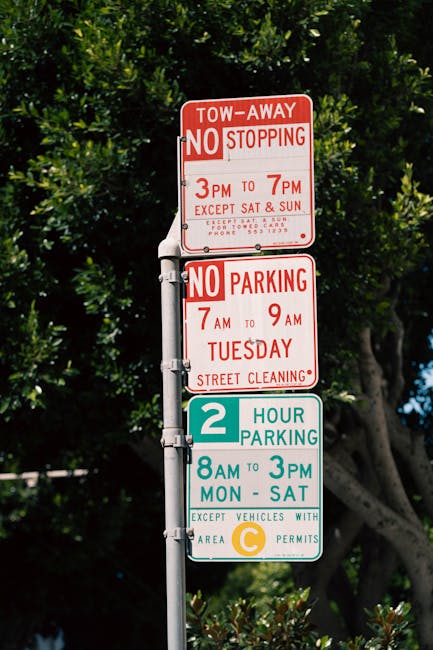
Moving Permits & Skip Rules in Fulham with H&F Council
Planning a move in Fulham can feel straightforward right up until the practical bits kick in: parking, access, loading bays, neighbours, and whether you need permission for a van or a skip on the street. That is where Moving Permits & Skip Rules in Fulham with H&F Council really matter. Get them wrong and a simple removal can turn into delays, extra costs, or a very tense morning with a driver waiting outside and everyone checking the clock. Get them right, and the whole day tends to run calmer. Much calmer.
This guide explains what the council rules usually mean in plain English, how moving permits and skip rules fit into a Fulham move, what to check before booking anything, and how to avoid the common mistakes people make when they are juggling boxes, keys, and deadlines. If you are trying to keep the move legal, practical, and less stressful, you are in the right place.
Why Moving Permits & Skip Rules in Fulham with H&F Council Matters
Fulham has the kind of streets where small logistics choices can make a big difference. Narrow roads, permit-controlled parking, busy residential stretches, and limited room to swing open a tail lift all add up. A move that looks easy on paper can become awkward fast if a van cannot stop near the front door or a skip blocks the pavement in the wrong way.
In practical terms, moving permits and skip rules are about two different things that often get mixed together:
- Moving permits usually relate to parking, loading, or stopping legally while you are moving home or office.
- Skip rules cover where a skip can be placed, how it is licensed, and what safety conditions apply if it sits on a road or public space.
Both affect timing, cost, and whether your move runs smoothly. They also affect the people around you. A skip left badly positioned can annoy neighbours, block access, or create a hazard. A removal van parked without the right arrangement can lead to fines or a last-minute relocation to another street. Nobody wants that on moving day, especially when the kettle is packed and someone has already lost the box with the phone chargers.
There is also a trust issue. If you are hiring a mover, a man and van, or arranging your own transport, you want confidence that the plan is workable. A good operator should think about access and parking before the first sofa is lifted. If they do not, that is a sign to pause and ask more questions.
How Moving Permits & Skip Rules in Fulham with H&F Council Works
The exact procedure can vary depending on the street, the size of vehicle, the type of loading needed, and whether a skip will be placed on private land or public highway. That said, the basic logic is fairly consistent across London boroughs, and Fulham is no exception: if you are using space that is regulated, restricted, or shared with the public, you need to check the rules before you rely on it.
For a move, the key question is usually whether the vehicle can legally stop where it needs to stop for long enough to load or unload. Some streets allow brief loading only. Some need a formal parking suspension or permit. Others may be free at certain times but not during school runs or rush periods. The details matter more than people expect.
For a skip, the main issue is location. A skip on private property, like a driveway or forecourt, is different from a skip on a public road or pavement. If the skip goes on the highway, a licence or permit is commonly required, and conditions may apply around lighting, signage, safety, and access. You might also need to think about whether the skip will fit without forcing pedestrians into the road. In Fulham, that is not a small detail. It is the detail.
If you are arranging a move and skip at the same time, try to treat them as a single project. A removal team may need the road space the skip would otherwise take, or the skip may need to be delivered after the van has gone. Coordinating the sequence can save you the sort of headache that arrives quietly and then does not leave.
For homeowners, tenants, and businesses alike, this is often where a service like home moves support or man and van help becomes useful, because experienced crews tend to spot access issues early. For larger jobs, you may want to look at removal truck hire or a moving truck if the volume of furniture needs a bigger vehicle and a more deliberate parking plan.
Key Benefits and Practical Advantages
It is tempting to see permit checking as admin. Fair enough. But in real life, it gives you more than compliance. It gives you control.
- Fewer delays because the vehicle or skip has a confirmed place to go.
- Lower risk of fines or enforcement action if parking or placement rules are respected.
- Smoother loading and unloading because the crew can work close to the property.
- Less stress on the day because you are not solving access problems while standing among boxes.
- Better planning for neighbours and pedestrians which helps keep things civil on a busy street.
- More accurate job quotes because the removals company can plan around realistic access conditions.
Another quiet benefit is safety. When a van does not need to double-park or a skip does not narrow the pavement, everyone has more room to move. That matters for children, older residents, delivery drivers, and anyone carrying something heavy. A move already asks a lot from people. You do not want the street layout making it harder.
There is also a planning benefit for business moves. If you are handling a shop, studio, or office relocation, access affects not just the move itself but the working day around it. A well-timed permit or skip arrangement can help your team keep services running. If you are dealing with a commercial job, the relevant support page for commercial moves can be a useful starting point, especially when timing and loading access need more thought than usual.
Who This Is For and When It Makes Sense
This topic matters if you are in any of the following situations:
- moving house in Fulham and expecting a van to load from the street
- moving out of a flat where the street parking is controlled or tight
- arranging a skip for a clear-out, renovation, or probate clearance
- planning a business relocation with large items and time pressure
- using a man with a van or small removal team on a road with limited stopping space
- needing furniture collection or disposal where temporary roadside access matters
It also makes sense if you are still at the planning stage and want to avoid the classic last-minute scramble. A lot of people leave permit checks until the week before the move. Sometimes that works. Sometimes it does not. In a place like Fulham, where street space is often precious and everyone seems to be delivering something, earlier planning is usually the safer call.
If your move is small and everything is going into a private driveway, you may not need anything beyond common sense and a booking. If the road is busy, or if a skip must sit on the public highway, the level of care should go up. Truth be told, that is when a little organisation saves a lot of pain.
Step-by-Step Guidance
- Check the property access first. Look at the street outside the current and new address. Is there parking? Is it pay-and-display, permit-only, or loading-only? Can a van stop without blocking traffic?
- Work out what kind of vehicle you actually need. A small move may suit a man with van service, while larger homes or multi-room moves may be better with a fuller removals setup.
- Decide whether a skip is really needed. If you are clearing furniture, packaging, or bulky waste, compare the skip option with alternatives like furniture pick-up or a scheduled clearance.
- Check whether the skip will sit on private land or the highway. Private land is usually simpler. Public placement typically needs more care, and sometimes a permit or licence.
- Build the move around the permit or licence timing. Do not book removals first and hope the space will work out. That is backwards. Get the access sorted, then lock in the rest.
- Confirm the booking details in writing. Make sure everyone knows the address, the access restrictions, the property type, and the expected load size.
- Prepare the property. Reserve lifts if needed, protect floors, label boxes, and make sure the team can reach the entrance without obstacles.
- Keep a fallback plan. If street access changes unexpectedly, know where the van can legally wait and how you will adjust the load sequence.
One simple but effective habit: walk the route from the kerb to the front door before move day. You will notice little things that do not show up in a quick glance. A low branch. A tight gate. A neighbour's bin collection. Those details can matter, a lot.
Expert Tips for Better Results
Here are the practical tips that tend to make the biggest difference.
- Book early for busy periods. Fridays, month-end, and school holidays can be tighter for parking and access.
- Allow more time than you think. Parking and loading in Fulham can take longer than the actual carrying.
- Tell the mover about every obstacle. Basement stairs, narrow hallways, top-floor flats, and no-lift buildings should not be surprises.
- Separate waste from keepers. If the skip is for renovation debris, keep reusable items out of it. It sounds obvious, but moving day is not always a rational place.
- Use the right vehicle size. A smaller van can sometimes be easier to place legally than a larger truck, especially on congested streets.
- Protect shared spaces. If you are in a managed building, warn the concierge or building manager ahead of time.
For moves that include packing, boxing up the wrong way can be just as costly as bad parking. If you want a calmer start to the day, packing and unpacking services can take some pressure off and keep the whole timeline steadier. Less chaos in the morning means fewer awkward surprises once the van arrives.
A small field note from real moving days: the jobs that go best are usually the ones where someone asked one extra question before the move, not after. That one question tends to save the day. Funny how that works.
Common Mistakes to Avoid
Most problems around moving permits and skip rules are predictable. That is the good news. The bad news is that people still make them.
- Assuming parking will be fine because it was fine once before. Streets change, restrictions change, and enforcement definitely changes.
- Leaving the permit check too late. A few days is often not enough if the move is complex.
- Choosing a skip location without measuring properly. A skip that technically fits may still block access.
- Ignoring the impact on pedestrians. Shared pavement space is not just a formality.
- Forgetting that different addresses may need different arrangements. The outgoing and incoming properties can have very different rules.
- Not telling the removals team about restrictions. If they discover the issue on arrival, the day becomes harder for everyone.
- Mixing disposal and moving plans together too loosely. If you are throwing away furniture, arrange collection or skip space before the moving van arrives.
One of the sneakiest mistakes is underestimating how long it takes to move items from a flat to the street. A staircase can eat time. So can a lift that keeps stopping at every floor. It is not dramatic, just reality. Build for it.
Tools, Resources and Recommendations
You do not need a complicated toolkit, but a little structure helps.
- A written inventory so you know what is being moved, stored, or thrown away.
- Photos of access points including entrances, kerbs, parking bays, and any narrow sections.
- Measurements of bulky items such as sofas, wardrobes, and appliances.
- A moving-day contact list with the mover, landlord, building manager, and anyone handing over keys.
- Clear labels for skip waste versus keep items so nothing important ends up discarded by accident.
If you are not sure what vehicle suits the job, a quick comparison between a standard van, a larger truck, and a more flexible hire option can help. The pages for moving truck and removal truck hire are useful if you are trying to balance capacity against street access. Bigger is not always better. On a cramped Fulham road, the best vehicle is often the one that can actually stop where it needs to.
For team-based office or shop relocations, a structured service such as office relocation services can be the more sensible route because it keeps access planning and handling logistics tied together rather than treated as separate jobs.
Law, Compliance, Standards, or Best Practice
This is the bit people often try to skim, then regret later. The exact rules can depend on the council's current process, the street, and the nature of the work. So the safest approach is to treat local permissions and highway restrictions seriously from the start.
In general UK practice, if you place a skip on public land or use the highway in a way that affects normal traffic or pedestrians, you should expect permission or a licence requirement of some kind. Likewise, if your moving vehicle needs special parking access or a suspension of normal restrictions, it should be arranged before the move rather than improvised on arrival.
Best practice is simple:
- do not assume roadside access is available
- check the rules for each address separately
- make sure the skip is placed safely and visibly
- keep loading and unloading areas as clear as possible
- leave enough room for emergency access, pedestrians, and neighbours
- follow the instructions given with the permit, licence, or parking arrangement
There is also a duty of care angle. Even if a move is private, the street is shared space. So if a van, truck, or skip could create a hazard, it should be managed with caution. That is not just about rules. It is about being decent to the people who live there too.
Options, Methods, or Comparison Table
Choosing the right approach depends on the size of the move, the type of waste, and how much street access you have. Here is a simple comparison to help you think it through.
| Option | Best for | Main advantage | Watch out for |
|---|---|---|---|
| Small van / man and van | Light or mid-size home moves, single-room moves, tight streets | More flexible parking and easier access | May need multiple trips if the load is larger than expected |
| Larger removal truck | Full-house moves, larger furniture sets, business relocations | Higher capacity and fewer journeys | Can be harder to position legally on narrow roads |
| Skip on private land | Home clear-outs, renovation waste, bulky disposal | Usually simpler than roadside placement | Requires enough private space and safe access |
| Skip on public road | Properties without driveways or private forecourts | Useful where no private land is available | More likely to need licensing and strict placement rules |
| Collection service instead of skip | Smaller disposal jobs or a few bulky items | Less street disruption and often less planning | Not ideal for large renovation clearances |
If you are on the fence, ask one simple question: do I need capacity, or do I need flexibility? That answer usually points you in the right direction. Sometimes both matter, of course. Welcome to moving.
Case Study or Real-World Example
Imagine a two-bedroom flat in Fulham with no driveway, a controlled parking street, and a narrow front path. The occupants are moving out on a Friday morning. They also want to dispose of an old sofa, a broken chest of drawers, and a stack of packaging from recent renovations.
If they tried to handle that without planning, the day could turn messy very quickly. The van may arrive and find no legal stop nearby. The skip may not fit in the exact space they assumed. The sofa might sit in the hallway, blocking everything else. One small problem becomes three.
The better approach would be:
- confirm street access in advance
- choose a vehicle that suits the road rather than the wish list
- arrange disposal separately for the sofa and other waste
- keep the loading route clear from the front door to the kerb
- book packing support if the flat has a lot of loose items
In that kind of setup, a combined plan using house removalists for the move and a separate collection or disposal solution for unwanted items is often the calmer option. You do not need the fanciest plan. You need the one that fits the street.
And yes, sometimes the difference between a stressful move and a manageable one is just one person remembering to check whether the van can actually pull up outside. Small thing. Big consequences.
Practical Checklist
Use this checklist a few days before move day. It is simple, but it catches a lot of headaches before they start.
- Have you checked parking restrictions at both addresses?
- Do you know whether a permit, suspension, or licence is needed?
- Have you confirmed if the skip will be on private land or the highway?
- Is the vehicle size appropriate for the street and the load?
- Have you shared access details with the mover or driver?
- Are the property entrances, hallways, and stairs clear?
- Have you measured bulky items that need extra handling?
- Have you arranged disposal of unwanted furniture or waste?
- Do neighbours, building management, or the concierge need advance notice?
- Do you have a fallback plan if access changes at the last minute?
Quick takeaway: treat parking, skip placement, and vehicle choice as one connected plan. That single shift in thinking prevents a lot of moving-day chaos.
Get a free quote today and see how much you can save.
Conclusion
Moving permits and skip rules are not the glamorous part of a Fulham move, but they are often the difference between a clean handover and a noisy, stressful scramble. When you understand the access, parking, and placement rules early, everything else becomes easier to coordinate. The crew works faster, the street stays calmer, and you get to spend less time arguing with logistics and more time getting settled.
If there is one sensible habit to keep, it is this: check the road, check the space, and check the timing before anything arrives. That is the simple version, and honestly, it is usually enough to save the day.
With the right preparation, a Fulham move does not have to feel like a battle. It can be organised, orderly, and surprisingly manageable. Not perfect. Just well handled. And that counts for a lot.
Frequently Asked Questions
Do I always need a moving permit in Fulham?
Not always. It depends on where the vehicle will stop, what the local restrictions are, and how long loading or unloading takes. If the road has controlled parking or limited waiting, you should check in advance rather than assume it will be fine.
Can I put a skip on the street without permission?
Usually not. If a skip sits on a public road or highway, there is typically some form of licence or permit process involved. Private land is different, but it still needs enough space and safe access.
What is the difference between a moving permit and a skip licence?
A moving permit is generally about parking or stopping for removals, while a skip licence relates to placing a skip on public land. They solve different problems, although they often come up together during the same move.
How far in advance should I plan this?
Earlier is better. A few days may be enough for a simple job, but for busier streets, larger moves, or skips on the road, it is much safer to plan well ahead. The earlier you check, the fewer surprises you get.
What happens if the van cannot park outside my property?
The move may take longer, cost more, or require a different vehicle or loading strategy. In some cases, the team may need to park further away and carry items a longer distance. That is manageable, but it is better to know before the day arrives.
Is a man and van service suitable for Fulham streets?
Often, yes. Smaller vehicles can be easier to position on tight roads and may suit flats, smaller homes, or lighter moves. For larger loads, a bigger option may be more efficient. It really depends on the property and the street.
Do I need a skip for furniture disposal?
Not always. If you only have one or two bulky items, a furniture collection or pick-up service may be more practical. A skip makes more sense when you have ongoing waste or a larger clearance job.
Can I combine a house move and a skip delivery on the same day?
Yes, but it needs careful sequencing. If both need the same access space, they should be scheduled so they do not block each other. A little coordination goes a long way here.
What should I tell my removals company before moving day?
Tell them about parking restrictions, road width, stairs, lifts, loading times, entrance access, and any skip or waste arrangements. The more accurate the information, the better they can plan. No mystery surprises, ideally.
What if my building has tight access or no lift?
That is common in parts of London, and it should be factored into the plan. You may need a smaller vehicle, more time, stronger packing, or extra handling support. Mention it early so the move is priced and scheduled properly.
Do commercial moves need the same attention to permits and skip rules?
Yes, often even more so. Office moves can involve larger items, tighter timing, and more pressure to keep the building functioning. It is worth treating access planning as part of the core job, not an afterthought.
What is the most common mistake people make?
Assuming the street will work itself out on the day. It usually does not. Parking, access, and skip placement need to be thought through before the move, not during it.