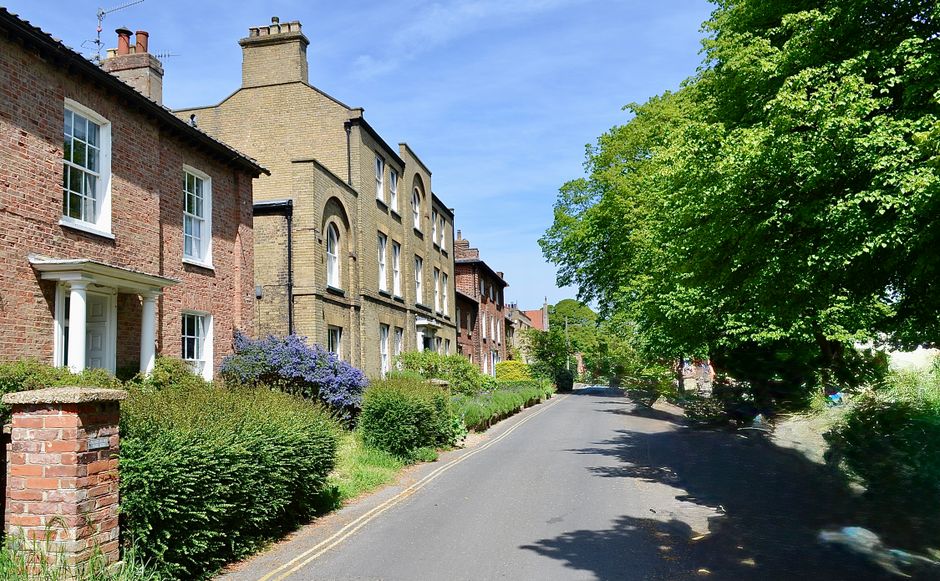
Fulham Palace Road: Moving Into Period Homes Safely

Moving into a period home on Fulham Palace Road can feel exciting in a very particular way. You notice the tall sash windows, the old floorboards, the narrow staircases, the little quirks that make the house feel full of character. Then the moving day arrives, and that character can quickly become a challenge. Tight hallways, delicate plaster, uneven steps, and awkward access all need a calmer, more careful approach than a standard modern flat move.
This guide to Fulham Palace Road: Moving Into Period Homes Safely is here to help you avoid the stress that often comes with older properties. We'll look at the practical risks, the best way to plan the move, and the small details that protect both your belongings and the building itself. Truth be told, most problems are preventable if you prepare properly. And yes, a bit of patience goes a long way.
Whether you're moving a family house, a refurbished terrace, or a listed-style property with original features, the aim is the same: get everything in without damage, without panic, and without that horrible moment when a wardrobe meets a bannister at an unfortunate angle.
Why Fulham Palace Road: Moving Into Period Homes Safely Matters
Period homes are lovely, but they are not forgiving. That's the simple truth. The very features people fall in love with - original doors, decorative ceilings, narrow landings, polished timber stairs - are the same features that make moving more delicate.
On a busy London road like Fulham Palace Road, you're also dealing with the practical side of the move: traffic timing, parking pressure, neighbours, and the need to get things in and out quickly without rushing the final steps. A period home can be perfectly solid and still be awkward to move into. The key is not to treat it like a standard property.
Why does safety matter so much? Because damage in older homes can be expensive and difficult to put right. A scratch on a modern wall is annoying. A gouge in historic woodwork, a cracked stair nosing, or chipped plaster on an old cornice is another matter entirely. Even if your home is not formally listed, older materials often need a gentler touch.
There's also a personal side to this. Moving day is already a lot. You're juggling keys, boxes, children, pets, maybe a delayed van, and that one strangely heavy suitcase everyone pretends wasn't packed by them. If the home itself is adding pressure, the whole day can unravel. Safe moving protects your energy as much as your furniture.
If you're arranging the move yourself, a service like home moves can help you think through the job as a whole rather than as a pile of boxes and hope. And for bulky or awkward items, a wider approach such as house removalists may make more sense than trying to muscle everything through a narrow hallway.
How Fulham Palace Road: Moving Into Period Homes Safely Works
Safe moving into a period home is really a sequence of sensible decisions. It starts well before the van arrives. You assess access, measure key pieces, identify fragile features, and decide which items need extra handling. Then you protect the property, pack in a way that reduces movement, and move the largest items first while everyone still has energy and concentration.
A good plan usually covers five things:
- Property access - door widths, stair turns, corridor space, parking, and any awkward corners.
- Item size and fragility - wardrobes, mirrors, artwork, lamps, antiques, glass, and anything sentimental that makes you nervous just looking at it.
- Protection - blankets, corner guards, floor covers, mattress wraps, and door protection where needed.
- Timing - choosing a moving window that avoids congestion and gives you enough daylight for visibility.
- Handling - lifting properly, carrying in pairs where required, and taking the more awkward pieces in a controlled order.
Older homes can hide little surprises. A doorway that looks generous at first glance may turn out to be tight once you actually angle a sofa through it. A staircase may be steeper than expected. A landing may force a sharp turn. These are not disasters. They're just things you need to know before someone commits to the lift.
That is why a brief pre-move survey, even if informal, matters so much. In many cases, a careful mover will look at the property first, ask the right questions, and decide whether a smaller vehicle, an extra pair of hands, or a specialist piece of kit is needed. If the job is straightforward but only slightly awkward, a flexible option like man with van can suit smaller moves. If the access is more complex or the load is larger, a stronger setup such as moving truck or removal truck hire may be the safer choice.
And yes, the safest route is often the slower one. Not painfully slow. Just sensible.
Key Benefits and Practical Advantages
Moving safely into a period property isn't only about avoiding damage. It also makes the whole day run better. When you plan carefully, you reduce stress, save time on last-minute problem-solving, and lower the chance of having to repair something afterwards.
Here are the main benefits:
- Less risk of property damage - original features are protected rather than treated as an afterthought.
- Fewer injuries and near-misses - awkward lifting is managed properly instead of being improvised.
- Better control over fragile items - mirrors, cabinets, lamps, and framed pieces are packed and carried with more care.
- Smoother arrival at the property - you know where each item is going before it gets to the door.
- Less time wasted - fewer delays caused by "it won't fit" moments at the threshold.
There's another advantage people sometimes miss: moving safely helps preserve your relationship with the building. That sounds a bit grand, maybe, but it's real. A period home can feel more settled more quickly if nothing is knocked, scraped, or dragged across the floor on day one. You start as you mean to go on.
For smaller loads or overflow items, a practical service like man and van can be a good fit, especially if you only need a few large pieces shifted with care. For larger homes, the combination of transport and packing support from packing and unpacking services can make a noticeable difference too.
Who This Is For and When It Makes Sense
This approach is for anyone moving into an older property where access is not straightforward, or where you want to avoid damage to original details. It is especially useful if you're dealing with:
- Victorian or Edwardian terraces
- Homes with narrow staircases or split-level layouts
- Properties with delicate plasterwork, old wood floors, or period doors
- Homes that have been renovated but still retain original character features
- Moves with bulky furniture or fragile family items
- Situations where parking, access, or timing is tight
It also makes sense if you are moving after a renovation and the property is newly restored. Fresh paint, newly sanded floors, and restored joinery are all beautiful - and all rather easy to damage in the last ten minutes of the move. A bit unfair, really.
If you're relocating a business into a period building, the same principles still apply, but the stakes can be a touch different. Fit-outs, office furniture, IT gear, and archive boxes all need a more structured approach. In that case, commercial moves or office relocation services may be more appropriate than a standard domestic setup.
This is also relevant for people who simply want peace of mind. Not everyone moving into a period house is worried about legal complexities or giant wardrobes. Sometimes you just want the sofa to arrive without leaving a scar on the hallway wall. Fair enough.
Step-by-Step Guidance
If you want a calm, safe move into a period home on Fulham Palace Road, follow a structured process. It does not need to be dramatic. It just needs to be thorough.
- Measure everything that matters. Check door widths, stair bends, corridor lengths, ceiling height on turns, and the size of the largest items. Don't guess. Guessing is the enemy here.
- Walk the route from van to room. Imagine the path each item will take from the street to its final place. If there's a tight turn, plan it now rather than discovering it with a sofa halfway through the doorway.
- Protect fragile surfaces first. Lay floor protection, add blankets where needed, and guard corners or bannisters that are likely to take a knock.
- Pack by vulnerability, not by room alone. Fragile items should be grouped and labelled clearly. Heavy books should not sit on top of delicate lamps just because they are both "living room" items.
- Load in the right order. Bigger or awkward pieces often go in first, followed by boxes that can be stacked securely around them.
- Move one obstacle at a time. Rushing multiple items at once creates confusion. One person should lead the lift and call the turns clearly.
- Check each room before placing items down. Older floors can be uneven. A chest of drawers placed badly on a slope will not feel very clever later.
- Inspect the property at the end. Look at doors, skirting, floors, stairs, and corners before you call it done. Take your time with this bit.
To be fair, the biggest difference between a smooth move and a messy one is often preparation, not strength. People think moving is a lifting problem. It is, partly. But it is also a planning problem. And planning is where the damage is usually prevented.
Expert Tips for Better Results
A few practical habits can make a very noticeable difference when you're moving into an older property.
1. Keep the furniture list realistic
Do not assume every large item should come with you just because it has sentimental value. If a wardrobe is unlikely to fit safely, it may be better to replace it than to force the issue. That can be a surprisingly emotional decision, but it saves time and risk.
2. Use proper protection, not improvised fixes
Blankets, wraps, and floor covers exist for a reason. A towel tucked around a table leg is better than nothing, but it is not the same thing as proper protection. The old "it'll be fine" approach rarely ages well.
3. Bring enough hands for the awkward pieces
Old staircases and narrow turns are not the place to be under-staffed. Two people may be enough for a box. A grand mirror or tall cabinet may need more control. If you're unsure, err on the side of extra support.
4. Leave the fragile items until the pressure drops
As the morning goes on, everyone gets more tired, a little less precise, and a little more ready to be done. That's normal. But the delicate pieces should be handled when concentration is still good, not when everyone is thinking about tea and takeaway menus.
5. Book support for the parts that are genuinely awkward
If you only need help with the transport and the bulky bits, a specialist solution like moving truck can be enough. If you want full hands-on help, house removalists may be a better fit for larger or more sensitive moves.
One small human tip: keep a little "first hour" box with keys, kettle items, chargers, tea, snacks, and a phone cable. In an older house, the first cup of tea can feel like a minor victory. Honestly, sometimes it is.
Common Mistakes to Avoid
Period-home moves go wrong for surprisingly ordinary reasons. Usually it is not one catastrophic event. It is three or four small avoidable things stacking up.
- Not measuring stair turns properly - the biggest furniture piece is usually the one that causes trouble.
- Ignoring the floor finish - original boards and restored surfaces need protection from dragging and grit.
- Assuming old walls can take anything - they can't. Scuffs and knocks show up quickly.
- Packing fragile items too loosely - movement inside boxes causes as much damage as drops.
- Leaving access planning until moving day - parking issues on a road like Fulham Palace Road can slow everything down.
- Using the wrong vehicle size - too small means more trips; too large can make access harder than it needs to be.
Another classic mistake is deciding that a difficult item can simply be "tilted a bit more." That phrase has caused more trouble than it deserves. Sometimes the angle helps. Sometimes it does not. You need judgement, not optimism in a hurry.
And if the building is particularly delicate, do not ignore the neighbour factor either. Period streets can be close-knit, and a calm, tidy move tends to get a better reception than one with boxes blocking the pavement for half the afternoon.
Tools, Resources and Recommendations
You do not need a van full of specialist kit to move safely, but a few useful tools make the process easier and more controlled.
- Furniture blankets for protecting timber, lacquered surfaces, and vulnerable corners
- Corner protectors for tight hallways and bannisters
- Floor covers or runners to reduce scuffing on entry routes
- Straps and trolleys for awkward or heavy pieces
- Labels and markers to keep fragile boxes clearly identified
- Measuring tape for doors, turns, and furniture dimensions
- Basic toolkit for removing legs, handles, or loose fittings if safe to do so
If your move includes a mix of furniture, boxes, and perhaps one or two pieces you would rather not wrestle down the stairs yourself, a service such as furniture pick up can be useful for managing the awkward extras. It is a simple thing, but simple can be exactly what you need.
For anyone who wants help with the packing stage too, packing and unpacking services can reduce breakage risk and speed up the move. That matters even more in older properties where there is less room to unpack casually.
If you are comparing service levels, also think about what you actually need on the day. Some people want transport only. Others need loading, lifting, and careful unpacking. If you're not sure which setup is right, the best starting point is usually a conversation rather than a guess.
Law, Compliance, Standards, or Best Practice
Moving into a period home does not usually involve complex legal steps in itself, but there are still sensible standards and duties to keep in mind. In the UK, movers should work safely, avoid damaging property, and handle loads in a way that reduces risk to people and buildings. That is the baseline expectation, not a luxury.
If the property is listed or has protected features, extra care is essential. You should not assume that all fixtures, finishes, or alterations can be treated the same way as in a modern home. When in doubt, check the status of the building and take a cautious approach to any drilling, fixing, or structural adjustment. If something looks original, it probably deserves respect.
There is also a practical duty of care around lifting and access. Heavy items should be moved with enough people and suitable equipment. That is not just about avoiding injury; it also reduces the chance of scraping walls, damaging stairs, or blocking escape routes. A tidy access path is not a minor detail. It is part of safe practice.
Parking and loading restrictions can also affect the move, especially on a busy London road. You may need to plan timing carefully and keep the loading area clear and orderly. The exact rules depend on the local setting, so it is wise to check before the day rather than trying to solve it on the fly.
For business moves into older premises, a more formal approach is often sensible. Office equipment, server units, and files should be prepared in line with the same careful principles used in domestic moves, just with more structure and timing control. If that sounds like your situation, office relocation services can be a better match than a general move plan.
Options, Methods, or Comparison Table
Not every move into a period property needs the same setup. The right method depends on access, volume, and how fragile your belongings are. Here's a simple comparison to help you decide.
| Method | Best for | Strengths | Watch-outs |
|---|---|---|---|
| Man and van | Smaller moves, lighter loads, flexible timing | Practical, adaptable, often good for fewer items | May not suit very bulky furniture or complex access |
| Man with van | Compact moves or a few large items | Simple setup, useful for shorter jobs | Limited capacity if your move grows quickly |
| Moving truck | Larger family homes or heavier loads | More room, better for consolidated transport | Needs enough access space and good planning |
| Removal truck hire | Moves needing dedicated transport control | Good for structured, larger-scale removals | Still requires careful packing and loading |
| Full house removalists | Complex period properties, fragile items, full-house moves | Most comprehensive support, less pressure on you | Usually more involved than a minimal transport-only option |
If you are still weighing things up, the simplest question is this: do you need transport, or do you need the actual lifting problem solved too? That answer usually points you to the right option faster than anything else.
Case Study or Real-World Example
Imagine a couple moving into a terrace on Fulham Palace Road with original features still intact: a narrow hallway, a staircase with a tight half-turn, and polished floors that have recently been restored. Their main concerns are a dining table, a sofa, a bed frame, a large mirror, and several boxes of kitchenware.
They start by measuring the key access points and discovering the dining table will not move cleanly unless the legs are removed. That one small discovery saves a lot of stress later. They also decide to protect the staircase and hallway with floor coverings, because the route from front door to landing is only a few steps long, but every step counts. The mirror is wrapped separately, then loaded last so it can be unloaded first.
On the day, the move feels controlled rather than frantic. The sofa is turned at an angle before it reaches the stair landing. The bed frame is disassembled in advance, which makes the upstairs route much easier. A helper stays on the inside line of the stair turn, guiding the edges. Nothing dramatic. Just steady, careful work.
The best bit? They finish the morning without a single mark on the walls. There's a little dust in the sunlight by the window, a kettle being unpacked, and that brief feeling that the house has accepted them rather than resisted them. That matters more than people admit.
Practical Checklist
Use this checklist before moving day. It keeps the process calm and saves a lot of backtracking.
- Measure doorways, stair turns, and the largest furniture pieces
- Confirm parking and loading arrangements for the day
- Protect floors, corners, bannisters, and other vulnerable surfaces
- Pack fragile items separately and label them clearly
- Disassemble furniture where it helps with access
- Keep tools, tape, and basic fixings in one easy-to-reach box
- Prepare a first-night box with essentials
- Assign one person to direct the route and another to monitor turns
- Check all rooms and surfaces before the team leaves
- Keep contact details ready in case timing needs a quick adjustment
Expert summary: The safest period-home move is rarely the fastest one, but it is usually the one that feels most manageable, causes the least damage, and leaves you able to settle in properly rather than spending the evening fixing avoidable mistakes.
If you're preparing a move and want help with the heavy lifting, the awkward access, or the packing that never seems to end, it may be worth speaking with a team that understands older homes and careful handling. You can also explore more about the company on the about us page or get in touch through the contact us page when you're ready to talk through the details.
Get a free quote today and see how much you can save.
Conclusion
Moving into a period home on Fulham Palace Road should feel exciting, not nerve-racking. With the right planning, the right protection, and the right level of support, you can bring furniture and belongings into the property safely while preserving the character that made you want it in the first place.
The main lesson is simple: respect the building, measure the awkward bits, protect the surfaces, and do not leave the hard decisions until the van is outside. That little bit of forethought changes everything. And honestly, it is often what turns a stressful move into a surprisingly smooth one.
Take it one step at a time. The house will thank you for it, even if it does so quietly.
Frequently Asked Questions
What makes moving into a period home different from a normal house move?
Older homes often have narrower staircases, tighter hallways, delicate finishes, and more awkward access points. That means the move usually needs more planning, more protection, and more careful lifting than a standard modern property.
How do I know if my furniture will fit through the stairs or hallway?
Measure the furniture and the tightest parts of the route before moving day. Pay attention to stair turns, ceiling height on landings, and any doors that open into the path. If something looks marginal, assume it needs extra care or disassembly.
Should I hire a full removal service for a period property?
If the move is large, the access is tight, or you have fragile furniture, a fuller service is often the safer option. For lighter moves, a smaller setup may be enough. It really depends on the size of the property and how much help you want on the day.
Is a man and van service enough for moving into an older house?
Sometimes, yes. If you have only a few items or a smaller load, it can work well. But if your furniture is bulky or access is tricky, you may need a more robust approach with extra handling support.
How can I protect original floors and woodwork during the move?
Use floor coverings, furniture blankets, and corner protection where items might touch walls or bannisters. Keep the route clear of grit and avoid dragging anything, even for a second. That second is usually when damage happens.
Do I need to disassemble furniture before moving day?
Whenever a piece is awkward, heavy, or close to the size limit for a doorway or stair turn, disassembly is often the sensible choice. Beds, table legs, and some wardrobes are common examples. It saves time and lowers risk.
What should I pack separately for the first night?
Keep keys, chargers, kettle items, tea or coffee, toiletries, a change of clothes, basic tools, and any essentials for children or pets in one clearly marked box. You will thank yourself later. Probably before you've even found the cutlery.
Are period homes more likely to be damaged during a move?
They are not inherently fragile, but they often have more features that can be marked, chipped, or scuffed if handled roughly. The risk is mostly about detail and access, not the age of the property alone.
Can I move in during a busy time of day on Fulham Palace Road?
You can, but it is usually better to avoid unnecessary congestion if possible. Busy road conditions make parking, unloading, and carrying easier to manage when timed well. Less rushing, less faff.
What if the sofa or wardrobe does not fit through the doorway?
Pause and reassess. Sometimes removing legs, doors, or other fittings helps. If not, you may need to take a different route, adjust the angle, or use a different piece of equipment. Forcing it is rarely the answer.
How far in advance should I plan a move into a period home?
As early as you can, especially if you are dealing with a bigger property or awkward access. Even a simple walkthrough before moving day can reveal issues that are much easier to solve in advance than in the middle of the move.
What is the best way to reduce stress on moving day?
Prepare a clear plan, keep essentials separate, and make sure the right help is available for the heaviest items. Good preparation is the real stress reducer. Once the practical things are under control, the day feels far more manageable.